
According to the BC SPCA they recognize that animals can help children in their academics, as well as with their social emotional learning, but put emphasis on the the animals’ welfare and how it should be taken into account when they’re brought into classrooms.
How to choose an animal for your classroom:
- Pick an animal who’s natural behaviour patterns match the classrooms settings
- Make sure that the animal is well socialized
- Make sure that the animal can be apart of a curriculum and introduced in that way
- Ensure the animal is given the right to the Five Freedoms
Note: the Five Freedoms
- Freedom from hunger and thirst
- Freedom from pain, injury, and disease
- Freedom from distress
- Freedom from discomfort
- Freedom to express behaviours that promote well-being
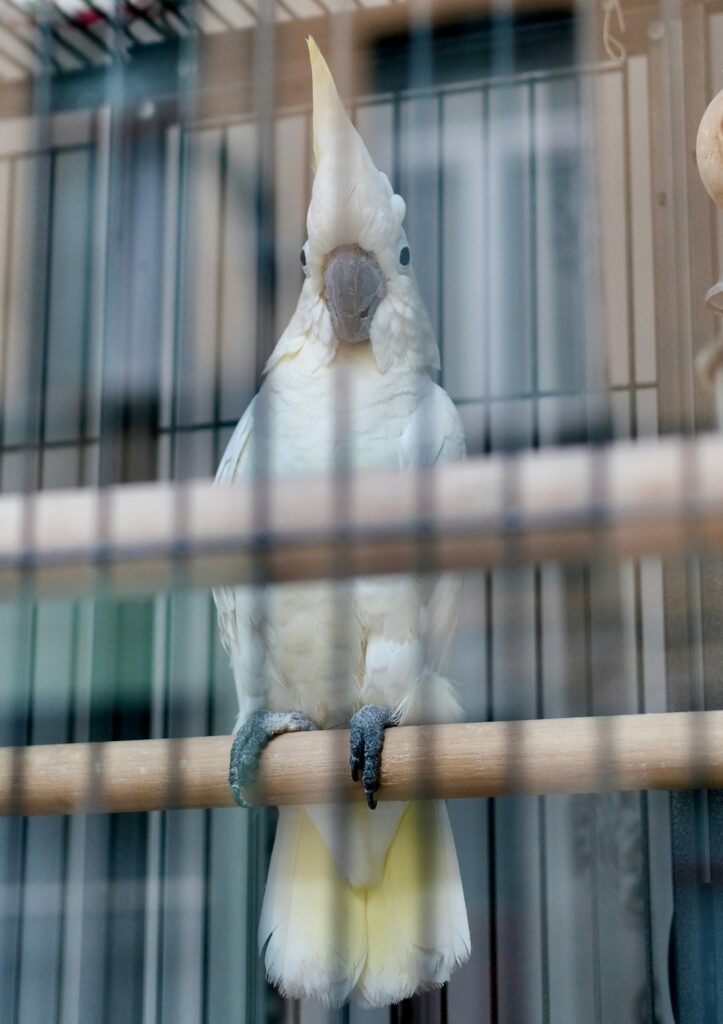
The BC SPCA emphasizes that children who interact with animals more have higher self esteem, more empathy, and better social skills. Although, there is a number of things to keep in mind when owning a pet in the classroom that don’t involve SEL (SPCA, 2025).
“it is important to note that the mere presence of an animal is not a guarantee that children will learn prosocial behaviour. Empathy and compassion are learned primarily from role models.1 Educators should therefore lead by example, and encourage sensitivity and respect for the physical and emotional needs of classroom pets”
(SPCA, 2025)
Reminding teachers that if they lead by example for students about how to properly care for an animal, in turn they will learn empathy and compassion.
The SPCA also emphasizes that structured school visits promote a healthy relationship with animals, especially if students don’t have a chance to be exposed to animals in their homes or classrooms. For example, the College of the Rockies brings in therapy dogs during final exams to help students feel calm before/after their tests. Personally, I have visited the therapy dogs before my math exams and it has greatly helped my mental and physical wellbeing before my test, by helping me calm down and relax.
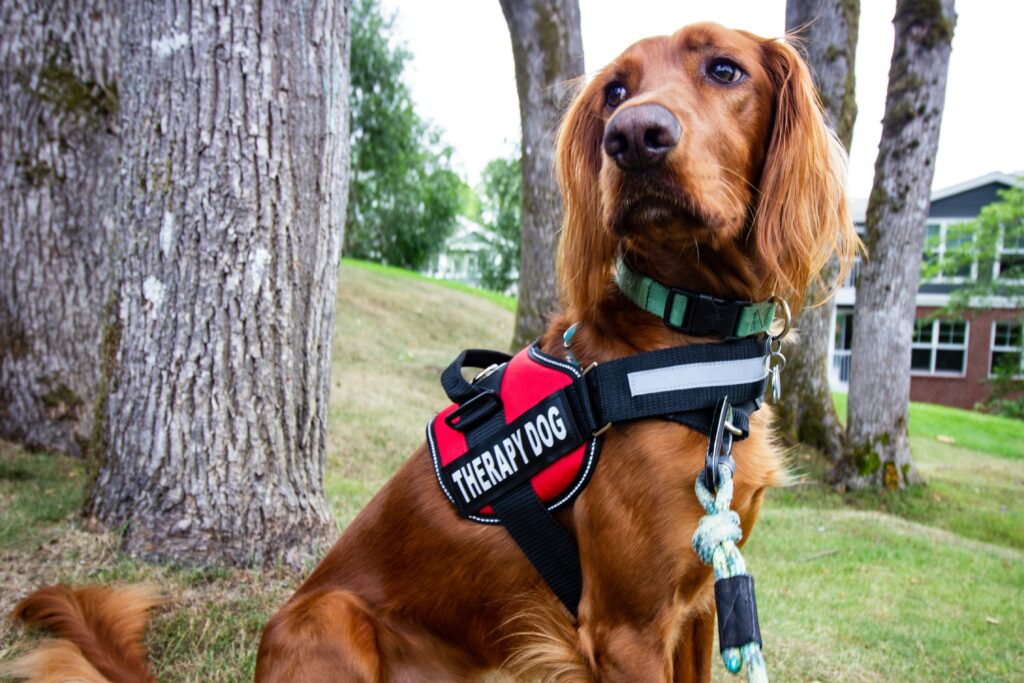
For the future, I would love to see if it could be a possibility to include a certified therapy dog in my classroom. While I understand there are things that could play a factor into not being able to have a dog or animal, such as allergies, school rules/guidelines, parent permission, age, I still believe that students’ could benefit from this greatly and increase their SEL.
Sorry, but comments are not enabled on this site.