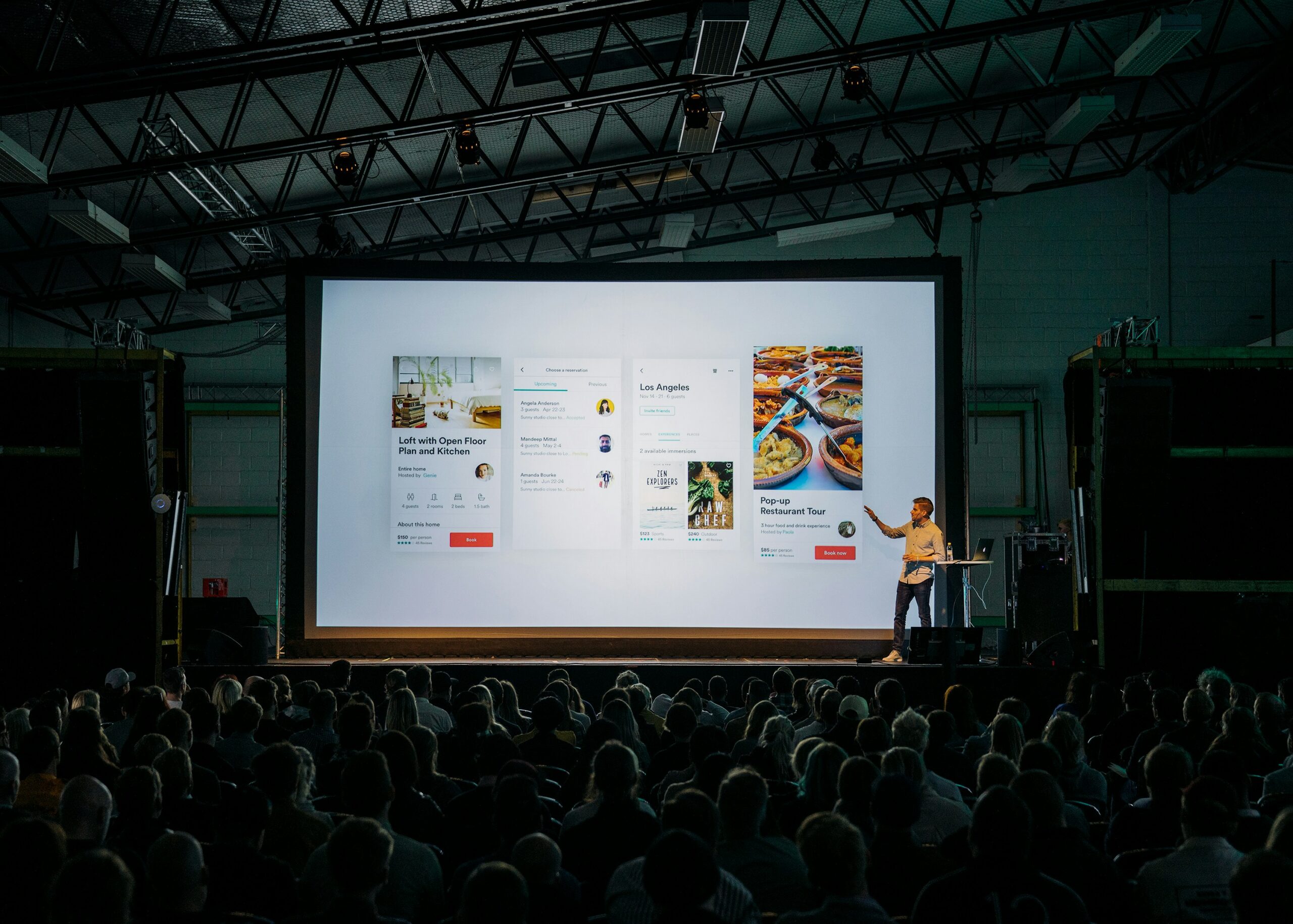
What I Learned:
From Screens to Scenes (My own virtual Field Trip made for my Geography class last year. Just thought that was a cool connection to this presentation)
How can virtual field trips enhance accessibility?
- Physically
- Financially
- Temporal Flexibility
- Geographic Reach
- Sensory Adaptations
- Language Support
Fostering Inclusion
- Equal access
- Lowering social and logistical barriers
- Cultural and global representation
- Personalized learning paths
- Multimodal learning
- Shared experiences, regardless of background
Creative Thinking & Critical Thinking
- Compare & COntrast
- Evaluate evidence
- Perspective
- Ethical Reasoning
- Metacognitive reflective processes
- Divergent exploration and open pathways
- Hypothetical ‘what-if’ scenarios
- Interdisciplinary Connections
- Artifact creations
- Embedded problem solving challenges
- Remixing and extending virtual experiences
Unplugged or Unprepared Presentation
‘To what extent is it important for elementary school children to have digital learning?’
- Technology needs to enhance learning
- Digital Literacy
- Internet Awareness
- Tech is not always accessible
- Tech can be addictive
- Ipads are helpful for stations like stations, gamification and stop motion
- Students can struggle with transitions from tech to no tech
High Tech, Low Tech, No Tech Presentation
What is High Tech?
Digital devices everywhere, interactive whiteboards, apps, online quizzes, Virtual Reality, seesaw
- (Integrates tech to help with teaching and learning)
- Engages students
- Digital Literacy
- Modern Skills
- Allows students to collaborate and share ideas in real time
Cons
- Too much screen time or reliance
- Can be limited to access of technology
- Distracted by non-educational apps etc
What is Low Tech?
Simple as possible, affordable, white board tablets, headphones to help kids concentrate, fidgets, visual templates, visual cues
- Simple tools
- Supports digital literacy
- Accessible and affordable
- Easy maintenance and durability
Cons
- Less personalized
- Widen the digital divide
- Lack of features
What is No Tech?
Physical Items rather than relying on technology, holistic classroom
- Reduced screentime or digital tools
- Relies on imagination
- Builds problem solving
Cons
- Hard for students who rely on tech
- Access to technology is not equal – digital divide
Finding the Balance Presentation
‘Exploring intentional technology integration for meaningful student engagement’
Why This Matters
Not at the expense of communication, through an inquiry lens
Keep low tech skills alive by maintaining handwriting and printing, fine motor development
Critical Thinking
- Deep thinking and reflection
- Face to Face Communication
- Collaborative problem-solving
- When and why you use technology in the classroom – justify the why
Cognitive Views
- Attention and the ability to regulate focus
- Rapid eye movement fatigue
- Sensory overload
- Learning readiness
This week we had our Educational Technology Presentations and I found that I took a lot away from each of them!
The virtual field trips are such a great idea and shows how each students needs can be met. I would love to incorporate something like this into my classroom, perhaps once a week we could go on a virtual field trip and explore around the world. This could link back to the units we’re working on in class or a project students are completing. I also like that students can spend however long they’d like in each section of the field trip and don’t have to wait for a whole class to get through.
I think finding a healthy balance of how you’re including technology in your classroom is important as a teacher. Being aware of all the factors that can positively and negatively affect your students is key, such as their mental health, SEL, and classroom management/class culture. I want my students to be educated properly in technology and how to use it, but not completely reliant on it.
I think my future classroom will be a mix of high tech and low tech. I really like the idea of high tech including virtual field trips, seesaw, and interactive games. But I also like having white board tables, headphones, and fidgets to help students learn. I also recognize that my ideas and philosophies will change once I actually start teaching and will continue to change due to the evolution of technology.
Tying into my last paragraph, I also believe that we should keep low tech skills alive by teaching students handwriting and printing. I think low tech allows critical and creative thinking to be prominent in students’ learning and is shown in all their assignments, such as writing a reflection. So I think it’s beneficial to have a combination of high tech, low tech, and no tech in classrooms and if integrated properly can be used as a tool/support system rather than a crutch.
Sorry, but comments are not enabled on this site.